
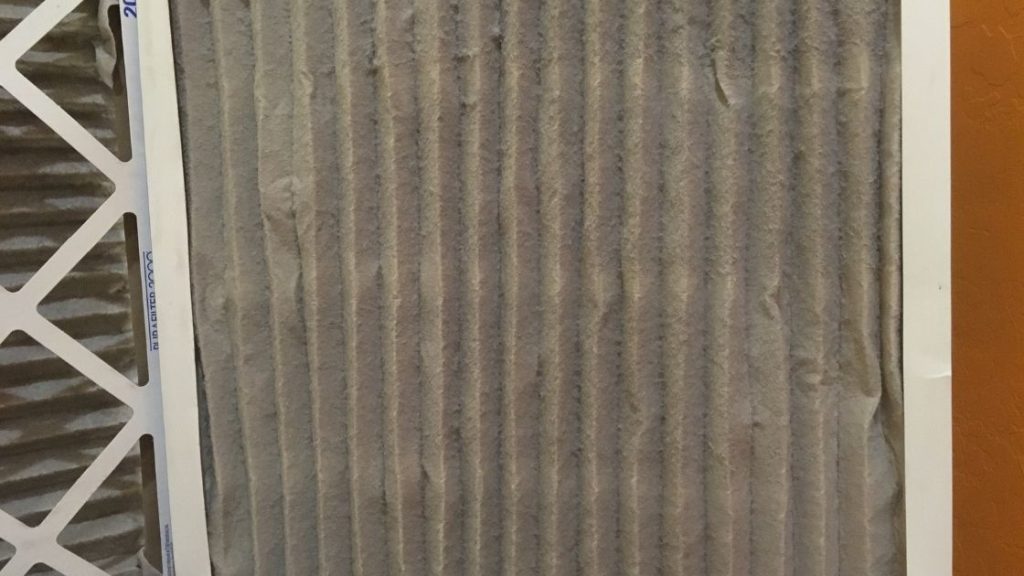
You might not think about it much, but your air filter is like the unsung hero of your home. It quietly battles dust, pet hair, and all those mysterious particles floating around, keeping your indoor air fresh. But here’s the kicker: if you don’t change that filter regularly, it can turn into a dust monster that chokes your HVAC system and leaves you gasping for clean air.
Importance of Changing Home Air Filters
Changing your home air filters plays a vital role in ensuring clean air and system efficiency. Filters trap harmful particles, but when they’re clogged, they can negatively impact both your health and your wallet.
Health Benefits
Maintaining clean air filters helps improve indoor air quality. Dirty filters can release allergens like dust, pollen, and pet dander into the air, leading to respiratory symptoms such as congestion, headaches, and difficulty breathing. Replacing filters regularly can reduce the risk of allergy flare-ups and other health issues, creating a healthier living environment for you and your family.
Energy Efficiency
Regularly changing air filters directly affects the efficiency of your HVAC system. When filters become clogged with dirt and debris, your system has to work harder to circulate air. This increased workload not only strains the unit but also raises energy consumption, resulting in higher utility bills. Clean filters enable optimal airflow, allowing your HVAC system to operate efficiently and effectively while saving you money over time.
How Often Should You Change Your Home Air Filter?
Changing your home air filter regularly is key for maintaining good air quality and a well-functioning HVAC system. The frequency of changes varies based on several factors, so it’s important to stay aware of your home’s specific needs.
Recommended Timeframes
For most homes, aim to change the air filter every one to three months. If you live in a household with multiple occupants or pets, consider changing it every two months. If you’re someone who’s allergic to dust or pollen, replacing the filter more frequently can help you breathe easier. High-efficiency filters may last longer, but always check the manufacturer’s guidelines for specific recommendations.
Factors Affecting Change Frequency
Several factors influence how often you should change your air filter.
- Occupants: More people in your home means more dust and allergens. Homes with pets increase shedding and dander, requiring more frequent changes.
- Location: If you live near industrial sites or areas that experience wildfires, those pollutants necessitate more regular filter changes.
- Environmental Conditions: On days with poor air quality due to smoke, smog, or high pollen counts, consider changing your filter sooner.
- Home Projects: Renovations, especially those that generate dust, can clog your filter quickly, calling for an earlier replacement.
- Maintenance Habits: Increased vacuuming may indicate a dirty filter. Keep an eye on how often you clean; it can be a sign you need to inspect the filter.
By paying attention to these factors, you can tailor your filter replacement schedule to your specific situation.
Signs It’s Time to Change Your Air Filter
Knowing when to replace your air filter can help maintain your home’s air quality and HVAC efficiency. Look out for these key signs that indicate it’s time for a change.
Visual Inspection
Check your air filter regularly. If it’s clearly dirty or clogged when you hold it next to a white sheet of paper, it’s time to replace it. Dust and debris can accumulate quickly, especially in high-traffic areas or homes with pets. Other visual cues include dark discoloration or a thick layer of grime. If you notice any of these indicators, don’t hesitate to swap out the filter.
Performance Issues
Watch for changes in airflow from your vents. Weak airflow or unusual sounds from your HVAC system can signal that your filter’s clogged, forcing the system to work harder. If your home isn’t heating or cooling effectively, check the filter. Increased energy bills can also hint at a struggling system due to clogged filters. Regularly monitoring these performance issues can ensure your air system runs smoothly.
Types of Air Filters and Their Lifespan
Understanding the different types of air filters and their lifespans helps you choose the right one for your home. Here’s a breakdown of some common filter types and what you can expect from each.
Common Filter Types
- Fiberglass Filters: These are the most basic option, made from strands of fiberglass. They capture large particles, like dust and lint, but struggle with smaller allergens. Their affordability makes them a popular choice for many households.
- Pleated Filters: Made from a dense, pleated material, these filters have a larger surface area, allowing them to trap more particles, including finer allergens. They offer better efficiency than fiberglass filters.
- HEPA Filters: High-Efficiency Particulate Air (HEPA) filters are designed to capture at least 99.97% of particles measuring 0.3 microns or larger. They’re great for allergy sufferers but may need more frequent changes due to their high efficiency.
- Electrostatic Filters: These filters use static electricity to attract and trap particles. They perform well and can be washable or disposable, depending on the design.
| Filter Type | Lifespan |
|---|---|
| Fiberglass Filters | Replace every 30 days |
| Pleated Filters | Replace every 90 days |
| HEPA Filters | Replace every 6 to 12 months |
| Electrostatic Filters | Replace every 3 to 5 years (washable filters may last longer with proper care) |
It’s key to keep track of these lifespans, as each type affects indoor air quality differently. Regular replacements ensure your system runs efficiently while keeping your home healthy.
Can I Run My HVAC System Without Using a Filter?
Running your HVAC system without a filter’s possible, but it isn’t advisable. Short-term use might not cause immediate issues, yet the absence of a filter allows dust, dirt, and allergens to circulate throughout your home. This can lead to poor air quality and respiratory problems, especially for sensitive individuals.
Without a filter, the system’s internal parts face increased exposure to debris. Dust can clog fan motors and valves, causing airflow restrictions. This added strain forces your system to work harder, leading to breakdowns and costly repairs. Such wear and tear can significantly shorten your HVAC system’s lifespan.
If you decide to run your system without a filter, you’ll likely notice higher energy bills. A cleaner filter helps maintain optimal airflow, improving efficiency. Dirty or missing filters increase energy usage, raising your carbon footprint too.
In light of these concerns, always use a filter and replace it regularly. This practice keeps air quality high and ensures your HVAC system operates effectively.
What Happens if I Don’t Change My HVAC Filter Regularly?
Neglecting to change your HVAC filter regularly leads to several issues. A dirty filter can’t capture airborne particles effectively, allowing dust, pollen, and allergens to circulate throughout your home. This poor air quality can aggravate allergies or respiratory conditions, exacerbating problems for sensitive individuals.
When the filter gets clogged, it strains your HVAC system. The system works harder to push air through the obstructed filter, resulting in higher energy consumption. This increased demand can drive up your utility bills significantly.
Over time, the stress on your HVAC system may cause it to malfunction. Components can wear out faster, leading to costly repairs or even premature system replacement. Regular filter changes prevent these scenarios, keeping your HVAC system running smoothly and efficiently.
In addition to impacting your HVAC system’s performance, a dirty filter can also decrease comfort levels in your home. You might notice uneven temperatures, weak airflow, or even strange noises coming from your system. All these signs indicate it’s time to address the filter issue before it escalates into larger problems.
Finally, ignoring your filter can lead to a buildup of mold and bacteria. Moisture and debris can accumulate in the system, posing health risks for you and your family. Keeping your filters clean minimizes these risks and enhances the overall air quality in your living space.